
Home energy
What does a home energy audit check, and is it worth doing before solar?
What an assessor tests, what the report tells you, and why the Department of Energy says efficiency upgrades pair well with solar.
ENERGY STAR's recommended R-values for climate zone 3, and how to find out what your attic has now.
Short answer
ENERGY STAR recommends R-49 for an uninsulated attic in climate zone 3, which includes Los Angeles County, and R-38 if the attic already has 3 to 4 inches of insulation. What your home needs depends on what is already there, so have it measured before you add anything.

R-value measures how well insulation resists heat moving through it. ENERGY STAR says the higher the R-value, the better the thermal performance of the insulation.
The right level depends on your climate and on where in the house the insulation goes. ENERGY STAR publishes a table of recommended levels by climate zone for that reason.
Los Angeles County is in climate zone 3. The Department of Energy's Building America guide to climate regions by county, prepared by Pacific Northwest National Laboratory, lists Los Angeles County as zone 3, hot-dry (3B).
That guide is the 2015 edition, and it lists zones by county, so check with a contractor that the zone has not changed.
Related guide: What does a home energy audit check, and is it worth doing before solar?
For an uninsulated attic in zone 3, ENERGY STAR recommends R-49. For an attic that already has 3 to 4 inches of insulation, it recommends R-38.
The Department of Energy's insulation guide shows ranges instead of single numbers for zone 3. It lists R-38 to R-60 for an uninsulated attic and R-30 to R-49 for one with 3 to 4 inches. The ENERGY STAR figures sit inside those ranges.
Have a contractor evaluate it. The Department of Energy says that if your home already has insulation, a certified contractor can evaluate the current R-value and recommend whether more is needed and which types suit your home.
Comparing what you have with the recommended level is what decides how much needs to be added.
The Department of Energy lists several types, and the common attic choices are blankets and loose fill. Blankets come as batts or rolls, and DOE says they are the most common type used in American homes. Loose fill is made of small pieces and can fill a space without disturbing the structure or finishes.
DOE also lists sprayed foam, rigid board, reflective insulation and radiant barrier. It says radiant barrier is especially useful in hot, sunny climates because it reflects heat. Which type fits your attic depends on its shape and what is already there, so ask for the options in a detailed scope of work.
DOE says adding insulation to attics, floors and crawl spaces, and reducing unwanted air leaks, can save up to 15% on heating and cooling costs, or up to 11% on total energy costs. Those are averages, not a promise for any one house.
Yes. ENERGY STAR says air leaks in the attic floor should be sealed before new insulation goes in, so the insulation can give its full performance. It advises calling another contractor if one will not agree to seal first.
ENERGY STAR lists common leak spots: the attic hatch, wiring and plumbing holes, dropped soffits over cabinets, recessed lights, and gaps around flues and ducts. Dirty insulation is a clue, since it shows air moving through it. Gaps up to 1/4 inch take caulk, and gaps from 1/4 to 3 inches take expanding foam. ENERGY STAR says not to use spray foam on flues.
ENERGY STAR says building codes generally call for about 1 inch of clearance between metal flues and insulation, and 2 inches from masonry chimneys. It also warns that sealing can cause gas or oil appliances to back-draft, and it suggests a home performance contractor test them before and after sealing. Confirm clearances with LADBS.
Measure its depth in inches with a ruler or tape measure. ENERGY STAR says the quick test is to look across the attic floor. If the insulation is level with or below the joists, you probably need more.
To estimate R-value, ENERGY STAR says to multiply the depth in inches by 3, because common types give about R-3 to R-3.5 per inch. Then compare the result with the recommended level for your climate zone. ENERGY STAR notes that homes with cathedral ceilings have no attic to measure, so an energy auditor or insulation contractor should check them.
ENERGY STAR suggests bringing a flashlight and a tape measure. It also says to walk only on the joists, never on drywall or insulation, because they cannot hold your weight. It warns to watch for nails and to start early in hot weather.
Not in most cases. ENERGY STAR says to keep insulation at least 3 inches away from recessed can lights unless the fixture is IC-rated, which means made for insulation contact. It says never to lay insulation over recessed fixtures or soffit vents. Sheet metal or wire mesh barriers can hold the insulation back.
Soffit vents bring outside air into the attic. ENERGY STAR says insulation baffles, also called rafter vents, keep those vents clear as insulation is added, and a project estimate should include them. It also says to have a professional look first if the attic has little or no ventilation. Confirm any code rules with LADBS.
Usually not. ENERGY STAR says contractors can add new insulation over the old. The exceptions are insulation that is wet, moldy, smelly or has animal waste in it.
Vermiculite needs special care. The EPA describes it as pebble-like, gray-brown or silver-gold, and often found in attics. It says to assume vermiculite insulation may contain asbestos and to leave it undisturbed. The EPA advises hiring a trained asbestos professional before any remodel that would disturb it, and it says not to store boxes in that attic. If you are worried about exposure, ask a doctor.
ENERGY STAR also flags wiring from before 1930 called knob-and-tube, which is a fire hazard when it touches insulation, as a reason to bring in a professional.
Call a contractor when you want the attic checked, or when you see thin, damaged or uneven insulation. MLE Construction and Remodeling is a licensed general contractor in Tarzana, and attic work is part of what we do.
We give a detailed scope of work after an on-site visit, and we prepare plans and handle permits when the work needs them. Tell us if you plan to add solar or other work, so the attic work fits the rest of the plan.
Next step: see our insulation installation page, browse all rodent proofing and attic services, or contact us for a free estimate.
Blown-in insulation is loose material blown across an area, so it fills irregular spaces well. Batt insulation comes as pre-cut blankets that fit between framing. The right choice depends on the space, which we review at the inspection.
Stained, matted or torn insulation, or insulation with droppings in it, usually needs to be removed. We inspect on site and point out which areas are soiled, then list them in the scope of work.
Attic cleanup involves droppings and dust, so it is better left to a crew with protective equipment and HEPA vacuums. MLE Construction handles the cleaning so you do not have to disturb the material yourself.
Yes. Call (800) 209-2779 or send the form and we will schedule a visit and give you a detailed scope of work.
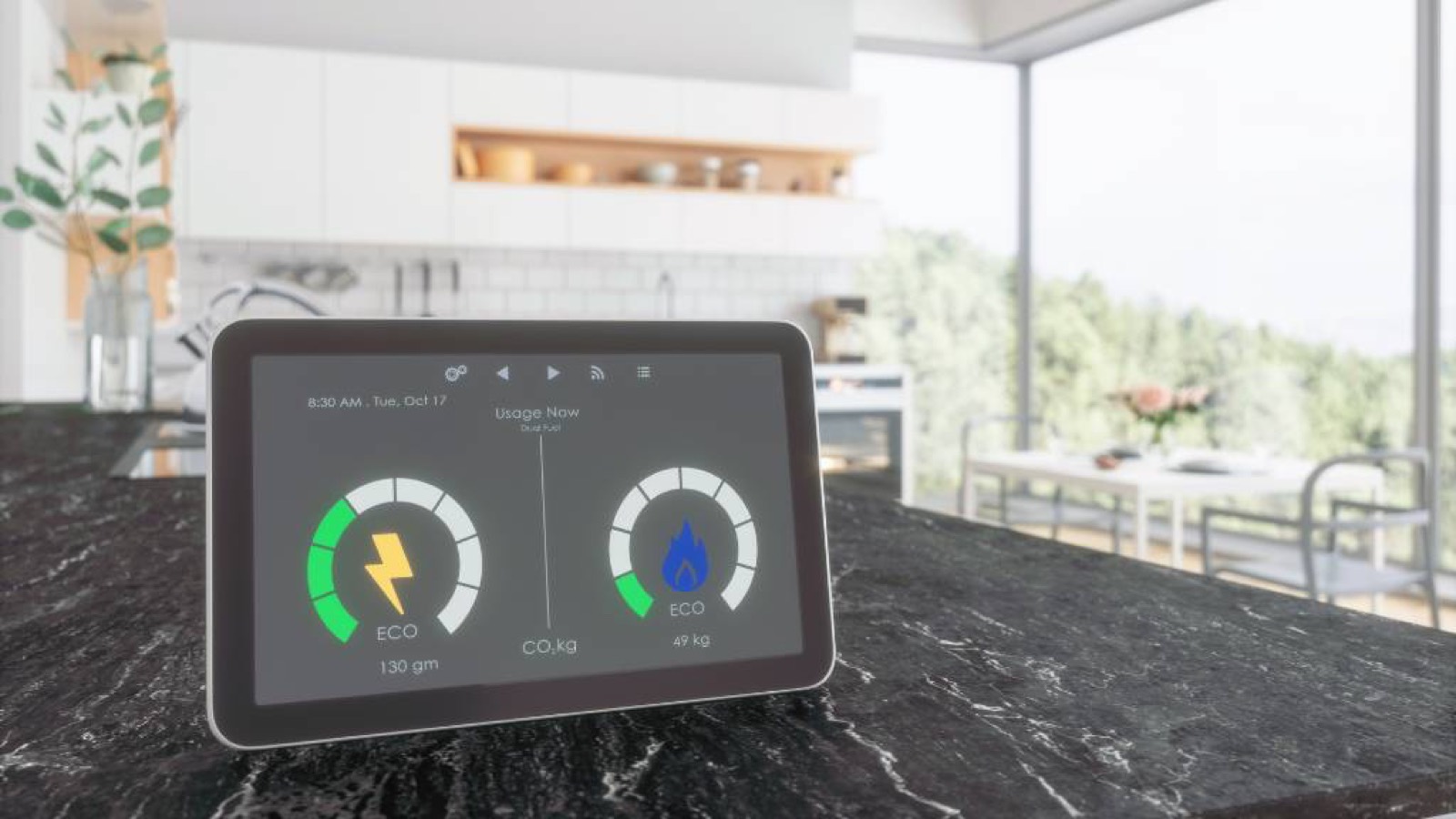
Home energy
What an assessor tests, what the report tells you, and why the Department of Energy says efficiency upgrades pair well with solar.

Rodent proofing
Trapping removes the animals already inside. Sealing the entry points is what keeps new ones out.

Foundation
Brace and bolt strengthens older houses on raised foundations. Soft-story retrofits are a separate program for larger buildings.
Call or send the form. We will schedule a visit and give you a detailed scope of work.
Call Now(800) 209-2779Thank you.
We received your request and will be in touch to schedule a visit.