
Attic
How much attic insulation does a Los Angeles home need?
ENERGY STAR's recommended R-values for climate zone 3, and how to find out what your attic has now.
What an assessor tests, what the report tells you, and why the Department of Energy says efficiency upgrades pair well with solar.
Short answer
A home energy audit shows how much energy your house uses and where it leaks, often with a blower door test and an infrared scan. It is usually worth doing before solar, because the U.S. Department of Energy says efficiency upgrades complement solar and can reduce how much solar energy you need.
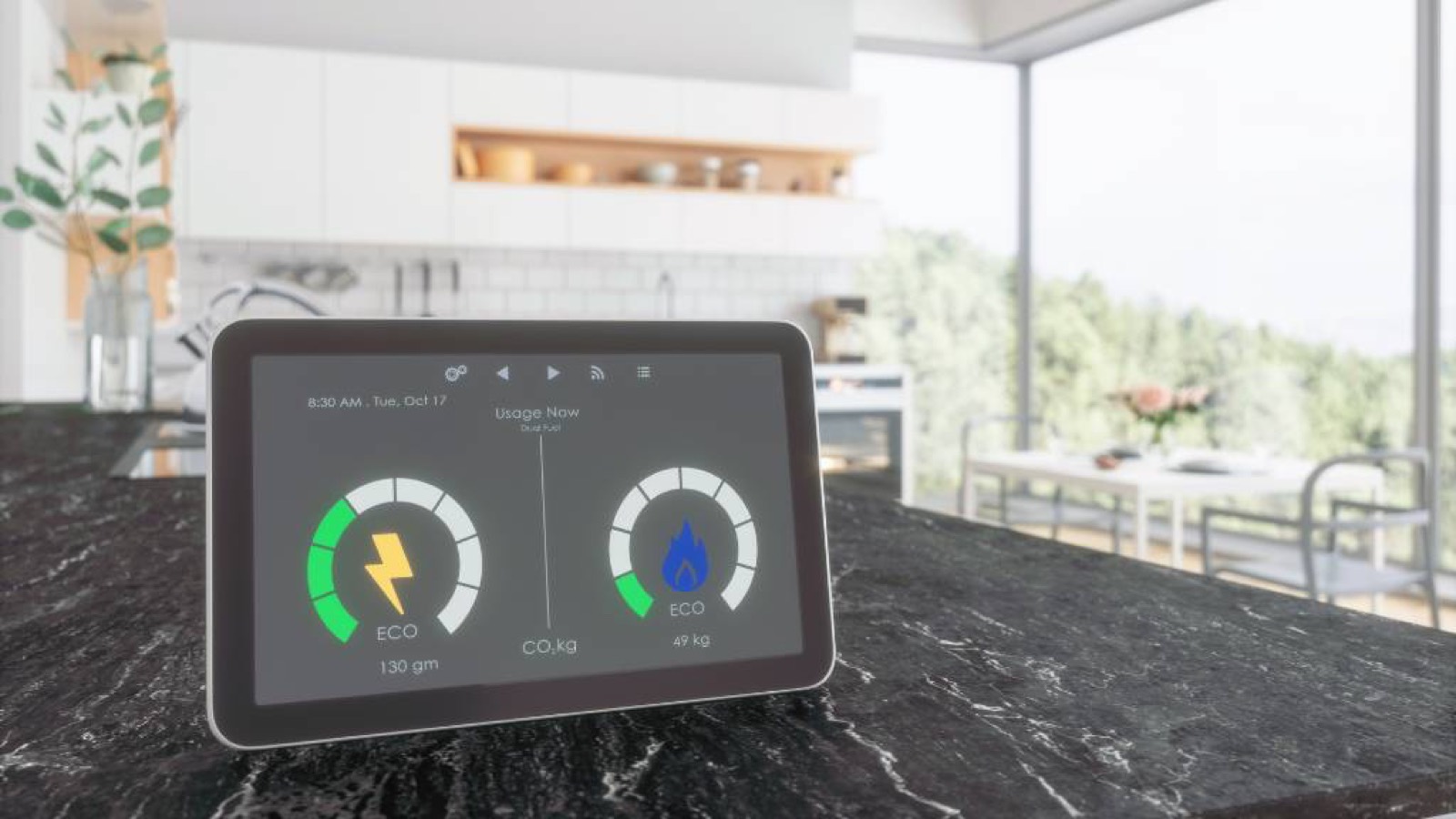
It is an assessment of how much energy your home uses and what to improve. The U.S. Department of Energy (DOE) says a proper home energy assessment, also called an audit, tells you how much energy you use and guides you on cost-effective ways to improve efficiency.
You can do a simple walk-through yourself or hire a professional. DOE describes the professional version as a much more detailed, equipment-based look that measures the rate of air flow between the inside and outside of the house. It advises using a certified assessor.
The two most common are a blower door test and an infrared camera scan, which are often done together. DOE says the blower door test measures how airtight the house is, using a fan mounted in a doorway that pulls air out so outside air shows where gaps are.
The infrared scan shows temperature differences along walls, roofs, and around windows and doors. DOE adds that the assessor may inspect heating and cooling systems, test for natural gas leaks, check ventilation, and measure air leakage inside ducts.
Related guide: How much attic insulation does a Los Angeles home need?
You get a report of the findings and ideas for improvements. DOE says you can then decide what to upgrade, and that you may only need to seal small gaps and add attic insulation, while other homes benefit from bigger upgrades such as new heating and cooling equipment.
DOE suggests listing problems you have noticed, such as condensation or drafty rooms, and having recent energy bills ready for the assessor.
Usually, yes. DOE's homeowner guide to going solar says energy efficiency upgrades complement solar energy economically. It also says that using efficient products in your home means you need less solar energy to power it.
An audit shows which upgrades are worth making first. The size of any solar system is a separate decision for the company designing it.
Walk through the house and look at the spots where air most often gets in. The U.S. Department of Energy (DOE) lists places where different materials meet, such as brick and wood siding, the foundation and walls, and the chimney and siding. It also lists outlets, switch plates, window and door frames, baseboards, attic hatches, vents and fans, and service entrances for cable, phone, electric and gas lines. Check that the caulking and weather stripping are applied properly and are in good condition.
DOE also describes a smoke test for hard-to-find leaks. Close exterior doors, windows and fireplace flues, turn on exhaust fans, and pass a smoke candle or incense stick along the edges of common leak areas. Smoke drawn into or out of a room points to a leak. Another DOE tip is to shut a door or window on a piece of paper. If you can pull the paper out without tearing it, air is leaking there.
Obvious ones can be a do-it-yourself job. DOE's air sealing guide says the do-it-yourself approach can work on leaks around door frames and exterior wall openings for pipes, vents, electrical fixtures and wires. It will not work for small, hard-to-find leaks, especially in attics covered by layers of insulation.
The guide names caulk, spray foam and weather-stripping as common materials. It recommends a professional for air sealing around flues, vents and pipes tied to chimneys, furnaces and water heaters. DOE also says air sealing and ventilation go together. Without proper ventilation, combustion appliances may release dangerous gases such as carbon monoxide into the home. Ask a professional about ventilation before you seal.
Yes, if your home has forced-air heating and cooling. ENERGY STAR says that in a typical house, about 20 to 30 percent of the air moving through the duct system is lost to leaks, holes and poorly connected ducts. It lists warning signs: high summer and winter bills, rooms that are hard to heat or cool, stuffy rooms, ducts in an attic, crawlspace or garage, and tangled or kinked flexible ducts.
ENERGY STAR says some homeowners seal accessible ducts themselves with mastic sealant or metal tape, and then insulate them. It says never to use duct tape, because it is not long-lasting. It adds that many homeowners hire a contractor for duct work, and that most heating and cooling contractors also repair ductwork.
It is a DOE rating of a home's energy use, like a miles-per-gallon rating for a car. The score runs from 1 to 10, with 10 the most efficient. DOE says the scale is adjusted for local climate, so homes in different regions can be compared.
A report has three parts: the score, facts about the home and its estimated energy use, and recommendations. DOE says the recommendations are expected to pay back in ten years or less. A low score does not mean the house was poorly built. DOE says a larger home will generally score worse than an identical smaller one, because the score reflects total energy use, not use per square foot.
DOE says to check with your electric or gas utility, or your state or local government energy or weatherization office. You can also use the ENERGY STAR link in DOE's guide. DOE adds that assessors are usually licensed contractors with experience installing heating and cooling systems, windows and lighting.
DOE's air sealing guide names two nationally recognized certifications: the Building Performance Institute Building Analyst and the RESNET Home Energy Rating System Rater. It also points to the Home Performance with ENERGY STAR program as an easy way to find a certified contractor. DOE says the assessor should use a calibrated blower door with a pressure gauge, because that measures how much air is leaking. DOE also says a professional assessment can cost from about $250 to $600 or more. Confirm current prices and credentials with the assessor.
Call a contractor when the report recommends repairs or upgrades to the house itself, such as attic insulation. MLE Construction and Remodeling is a licensed general contractor in Tarzana, and we do home energy work.
We prepare plans and handle permits when the work needs them, and we give a detailed scope of work after an on-site visit. Bring the audit report to that visit so we can price what it recommends.
Next step: see our energy audits page, browse all home energy services, or contact us for a free estimate.
An audit looks for air leaks, insulation gaps and duct leaks, which are common places a home loses energy. MLE also reviews the heating and cooling equipment. You get the findings in plain language.
Not every roof suits it. MLE inspects the roof for condition, shade and available space. Some roofs need repairs first, and the scope of work states what the roof needs before panels go on.
Blown-in insulation is loose material blown across an area, so it fills irregular spaces well. Batt insulation comes as pre-cut blankets that fit between framing. The right choice depends on the space, which we review at the inspection.
Yes. Call (800) 209-2779 or send the form and we will schedule a visit and give you a detailed scope of work.
Attic
ENERGY STAR's recommended R-values for climate zone 3, and how to find out what your attic has now.

Rodent proofing
Trapping removes the animals already inside. Sealing the entry points is what keeps new ones out.
Outdoor living
What the city code says about patio covers and decks, and what the building department looks at on an attached cover.
Call or send the form. We will schedule a visit and give you a detailed scope of work.
Call Now(800) 209-2779Thank you.
We received your request and will be in touch to schedule a visit.