
Remodeling
Does a kitchen remodel need a permit in Los Angeles?
Most kitchen work needs a permit, but the type depends on the scope. Here is how LADBS sorts it.
Check the license, read the contract terms the state requires, cap the down payment and confirm who pulls the permit. Here is what to check.
Short answer
Pick a contractor whose California license is active in a classification that fits the job (B, General Building, or B-2, Residential Remodeling, for a remodel with several trades), who gives you a detailed written contract with a payment schedule and a completion date, and who asks for no more than $1,000 or 10 percent of the price up front, whichever is less. In the Valley, also confirm which building department issues your permit: most Valley neighborhoods are in the City of Los Angeles and go through LADBS.

Almost always. The Contractors State License Board (CSLB) says a license is required when the total cost of labor and materials is $1,000 or more, when the job needs a building permit, or when the person uses employees. The $1,000 limit took effect in 2025; before that it was $500.
For a remodel that involves several trades, such as a kitchen with new electrical, plumbing, drywall and cabinets, look for a general building classification: B, General Building, or B-2, Residential Remodeling. A single-trade job, such as roofing or electrical alone, can go to a specialty contractor licensed in that trade.
Ask for the license number and enter it in the CSLB license check. The record shows whether the license is active, the business name it is issued to, its classifications, the workers' compensation information on file and any public complaint disclosures.
Make sure the name and number on the record match the name on your contract. General liability insurance does not appear on the CSLB record, so ask the contractor for a current certificate of insurance before work starts.
Related guide: Does a kitchen remodel need a permit in Los Angeles?
CSLB says a written contract is required for home improvement projects over $500. It must be legible, tell you about your right to cancel, and include a detailed payment schedule, who gets the permits, a completion date and the contractor's license number.
The scope should describe the materials and how the work will be done, down to sizes, colors and model numbers where they matter. Any change in price or scope needs a written change order signed by both sides before the work changes. If something was promised out loud, ask for it in writing.
The down payment on a home improvement job cannot be more than $1,000 or 10 percent of the contract price, whichever is less. CSLB says there are no exceptions for special-order materials.
After the down payment, progress payments cannot be more than the value of the work done or the materials delivered. A contractor who asks for half the price before starting is asking for more than California law allows.
Most of the Valley, including Tarzana, Encino, Woodland Hills, Sherman Oaks, Van Nuys, Reseda, Northridge, North Hollywood and Studio City, is part of the City of Los Angeles, so permits go through the Los Angeles Department of Building and Safety (LADBS). Nearby cities such as Burbank, Glendale, San Fernando and Calabasas run their own building departments.
The contract should say who pulls the permit. Ask the contractor which department will review your job and whether the work needs plans, because plan review adds time to the schedule.
Ask for recent jobs like yours in your area, with photos, and read reviews that describe the same kind of work. Get two or three written bids for the same scope, and compare what each one includes, not only the bottom line.
After water or mold damage, ask whether the same company handles the cleanup and the rebuild. If not, you will hire a second contractor for the drywall, flooring and cabinets once the drying is done, and coordinate the two yourself.
MLE Construction holds CSLB license #1066995 in the B, General Building, classification, and the license record and what it shows are on our license page. Our office is in Tarzana, and we work across the Valley on water or mold damage, foundation work, kitchens, bathrooms, additions and ADUs, with one project manager on every job.
We handle the cleanup and the rebuild under one contract, and every job starts with a free estimate after an on-site visit, with a detailed scope of work before anything starts.
Next step: see our kitchen remodeling page, browse all remodeling and construction services, or contact us for a free estimate.
Usually yes, though the kitchen will be out of use while work is underway. Your project manager plans a temporary setup, such as a small cooking area elsewhere in the house, before demolition begins.
Yes. Tile and grout are not waterproof on their own, so a waterproofing membrane goes behind and under the tile in wet areas. It protects the framing and subfloor from moisture over time.
Often, but the existing foundation and framing must be able to carry the added load. An on-site inspection and the plans show whether it works, and the structure may need an engineer's review.
Yes. Call (800) 209-2779 or send the form and we will schedule a visit and give you a detailed scope of work.
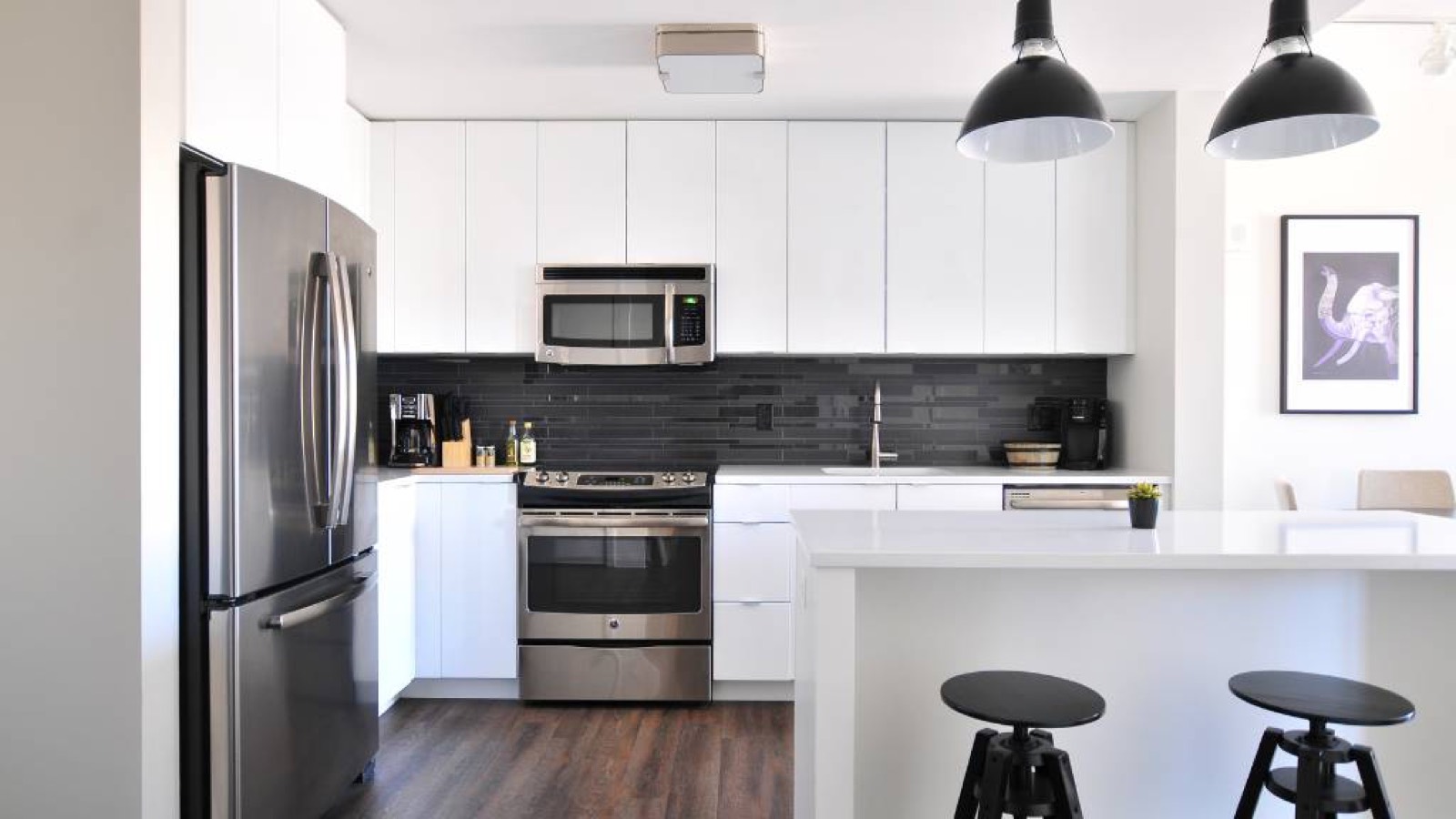
Remodeling
Most kitchen work needs a permit, but the type depends on the scope. Here is how LADBS sorts it.
Remodeling
Converting a garage to a unit means plans, city clearances and inspections. Here is how the Los Angeles process works.
Restoration
What a standard policy usually pays for, what it leaves out, and what to document before the cleanup starts.
Call or send the form. We will schedule a visit and give you a detailed scope of work.
Call Now(800) 209-2779Thank you.
We received your request and will be in touch to schedule a visit.