
Remodeling
ADU and garage conversion permits in Los Angeles: what to know
Converting a garage to a unit means plans, city clearances and inspections. Here is how the Los Angeles process works.
Most kitchen work needs a permit, but the type depends on the scope. Here is how LADBS sorts it.
Short answer
Usually, yes. LADBS says a permit is required for any private property construction, alteration or repair in the City of Los Angeles, and it treats a residential kitchen remodel with no structural changes as an express permit, issued without plan review. Removing a load-bearing wall needs engineered plans, so confirm your scope with LADBS first.
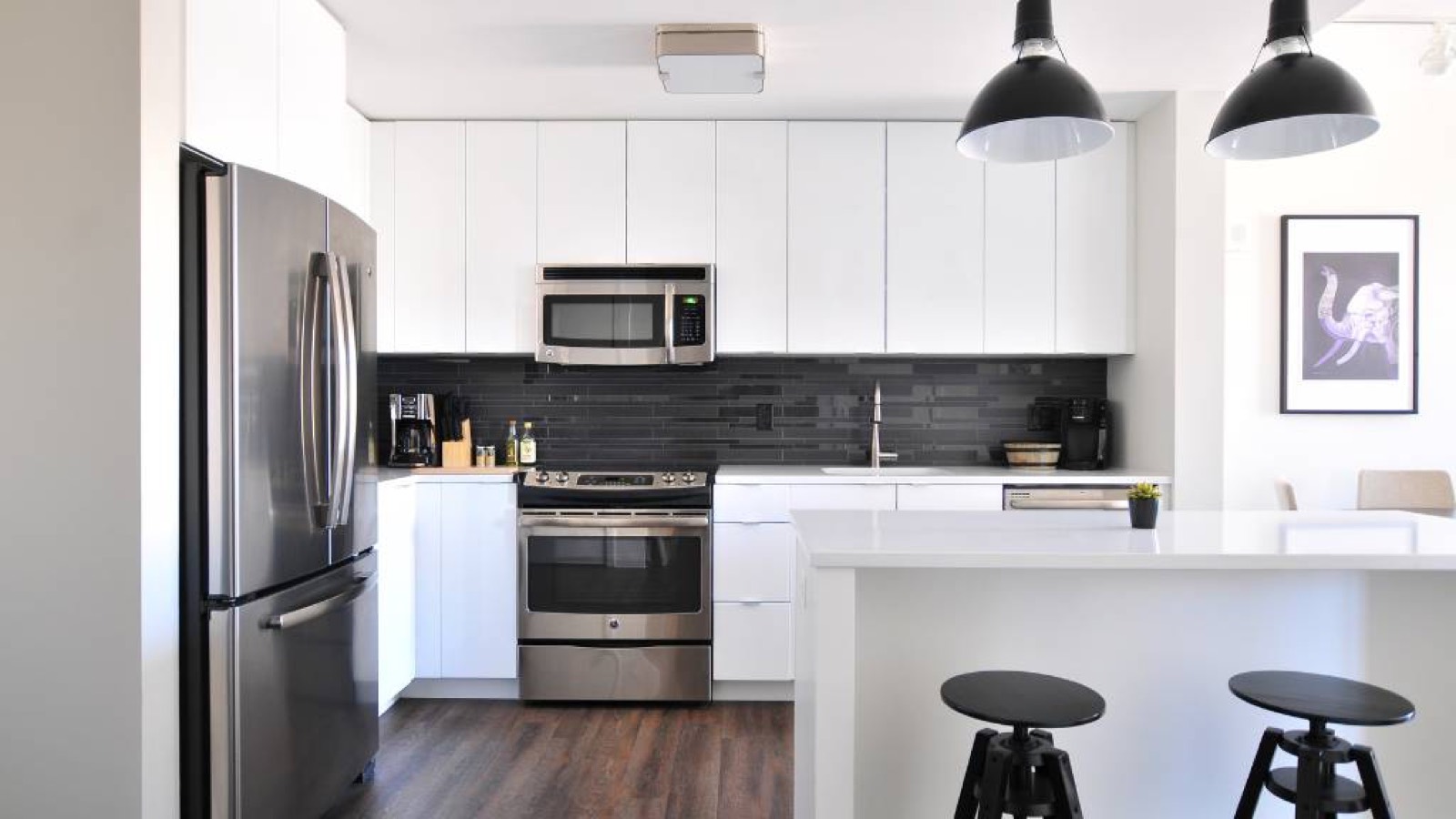
Yes, as a general rule. LADBS states that a permit is required for any private property construction, alteration or repair work in the City of Los Angeles. Its homeowner guide says kitchen and bathroom remodels for residential buildings with no structural changes are express permits.
Express permits are issued right away, online or in person, with no waiting for plan review, according to the same guide. LADBS also notes that requirements vary by property and scope, so confirm yours when you apply.
Work that changes the structure needs plan review. LADBS says removing a load-bearing wall requires engineered structural plans, and removing or adding a non-bearing wall often needs plans through its ePlanLA system. In plan check, city staff review your drawings for code compliance before the permit is issued.
Related guide: ADU and garage conversion permits in Los Angeles: what to know
They are permit work. LADBS's express permit bulletin lists replacing or adding plumbing fixtures, rewiring or adding receptacles on existing circuits, and low pressure gas piping with up to 10 outlets as types of work it issues express permits for.
Ask LADBS how your kitchen scope is covered, because a remodel that touches plumbing, wiring or gas lines may involve more than one permit type.
Some small items are. The LADBS homeowner guide gives examples such as low garden walls under 3 feet, decks no more than 30 inches high, and small awnings of 4 feet or less. Those are not kitchen work, and the guide gives no rule for cosmetic kitchen updates, so ask LADBS or call 3-1-1 before assuming you can skip a permit.
A homeowner can pull the permit as an owner-builder, but that comes with duties. The CSLB says that when you sign a building permit application as an owner-builder, you take full responsibility for all phases of the project. You must pull all the permits, and the work must pass code and building inspections.
The CSLB also says an owner-builder orders materials, makes sure suppliers are paid, and supervises, schedules and pays subcontractors. If you use anyone other than a licensed subcontractor for the work, you may be considered an employer, with registration, tax and workers' compensation duties. Ask LADBS and a professional adviser how this applies to you.
Usually when the job needs a permit, uses workers, or is worth $1,000 or more. The CSLB says anyone who contracts for work on a project that requires a building permit, uses employee labor, or is valued at $1,000 or more in combined labor and materials must hold a valid CSLB license.
The CSLB adds that a kitchen remodel that involves plumbing, electrical and carpentry under one contract calls for a licensed B General Building contractor. That contractor may do the work or hire licensed specialty subcontractors. The CSLB also warns that few, if any, unlicensed individuals have a bond or workers' compensation insurance.
Use the CSLB license lookup on its website. The CSLB says you can search by license number or by business name, and the results include complaint disclosure. A California license number has digits only, and the CSLB says each licensed contractor carries a pocket license showing it.
You can also call the CSLB at (800) 321-CSLB (2752). Check the license before you sign anything, and compare the name and number on the contract with the lookup result.
The down payment cannot be more than $1,000 or 10 percent of the contract price, whichever is less. The CSLB states this for home improvement jobs and says there are no exceptions for special-order materials. After that, payments cannot exceed the value of the work performed, and the contract needs a written payment schedule.
The CSLB says a written contract is required for home improvement projects over $500 in combined labor and materials. It should say who will get the building permits, give a completion date, and name the contractor and license number. Any change to price or scope needs a written change order signed by both sides before the change.
After the permit, you ask for inspections as the work progresses. The LADBS homeowner guide says to call 311 for an inspection at least 24 hours ahead, and to call before any work is covered. It describes a rough inspection once the framing is done and the plumbing, wiring and ducts are in place, but before they are covered. A final inspection comes when the work is complete and the fixtures are installed.
The inspector signs the Building Card (B-8) when work passes, and leaves a pink correction notice (G-49) if it does not. You make the corrections and call again. The guide also says a permit expires if work does not start within six months of issue, or two years after issue if the work is not finished. The guide is older, so confirm current steps with LADBS.
For unpermitted work, LADBS says the current owner is responsible for an Order to Comply, even if a previous owner did the work. Some items can be fixed without a permit, such as removing unpermitted construction. Where a permit is needed, LADBS lists a kitchen remodel with no structural changes among the work eligible for an express permit, and says the investigation fee is double the permit fee, with a minimum. LADBS also says unpaid fees may lead to a lien.
Call a contractor before you order cabinets or move anything, so the scope is clear and the right permit type is chosen. MLE Construction is a licensed general contractor (CSLB #1066995) in Tarzana that prepares plans and handles permits when the work needs them, and gives a detailed scope of work after an on-site visit.
Next step: see our kitchen remodeling page, browse all remodeling and construction services, or contact us for a free estimate.
Usually yes, though the kitchen will be out of use while work is underway. Your project manager plans a temporary setup, such as a small cooking area elsewhere in the house, before demolition begins.
Yes. Tile and grout are not waterproof on their own, so a waterproofing membrane goes behind and under the tile in wet areas. It protects the framing and subfloor from moisture over time.
Often, but the existing foundation and framing must be able to carry the added load. An on-site inspection and the plans show whether it works, and the structure may need an engineer's review.
Yes. Call (800) 209-2779 or send the form and we will schedule a visit and give you a detailed scope of work.
Remodeling
Converting a garage to a unit means plans, city clearances and inspections. Here is how the Los Angeles process works.
Outdoor living
What the city code says about patio covers and decks, and what the building department looks at on an attached cover.

Home energy
What an assessor tests, what the report tells you, and why the Department of Energy says efficiency upgrades pair well with solar.
Call or send the form. We will schedule a visit and give you a detailed scope of work.
Call Now(800) 209-2779Thank you.
We received your request and will be in touch to schedule a visit.